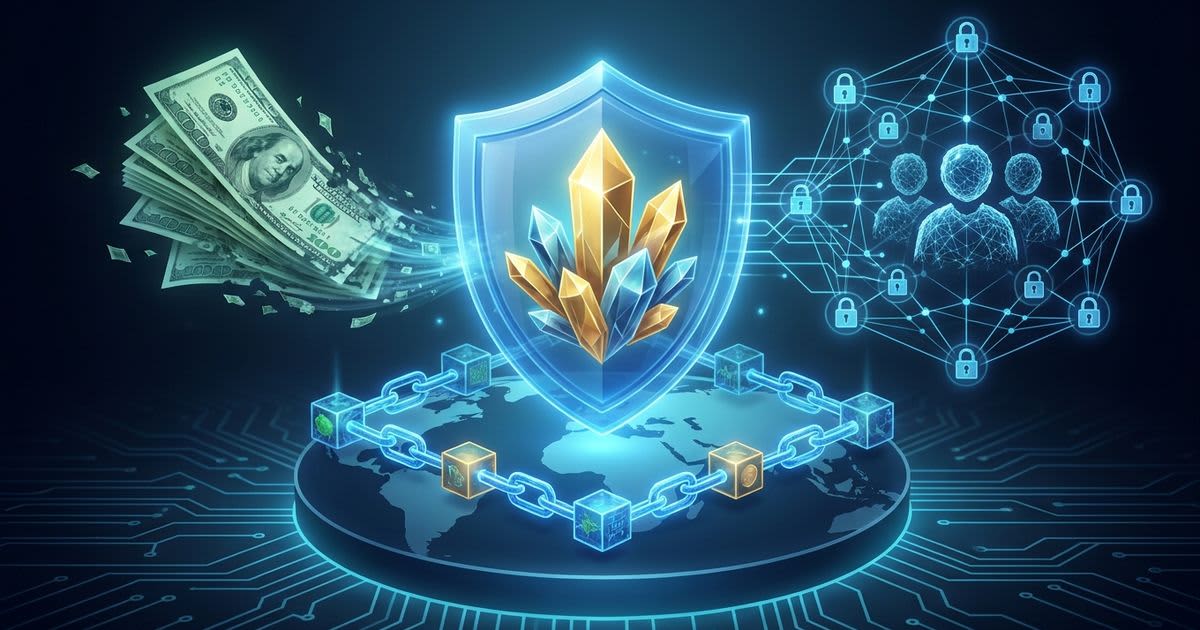
How Recent Global Geopolitical Shocks are Driving the Largest Self-Custody Wave of 2026
Understanding why physical ownership of your keys has become the ultimate hedge against a fragmented financial world
1 January 2026 • 4 min read
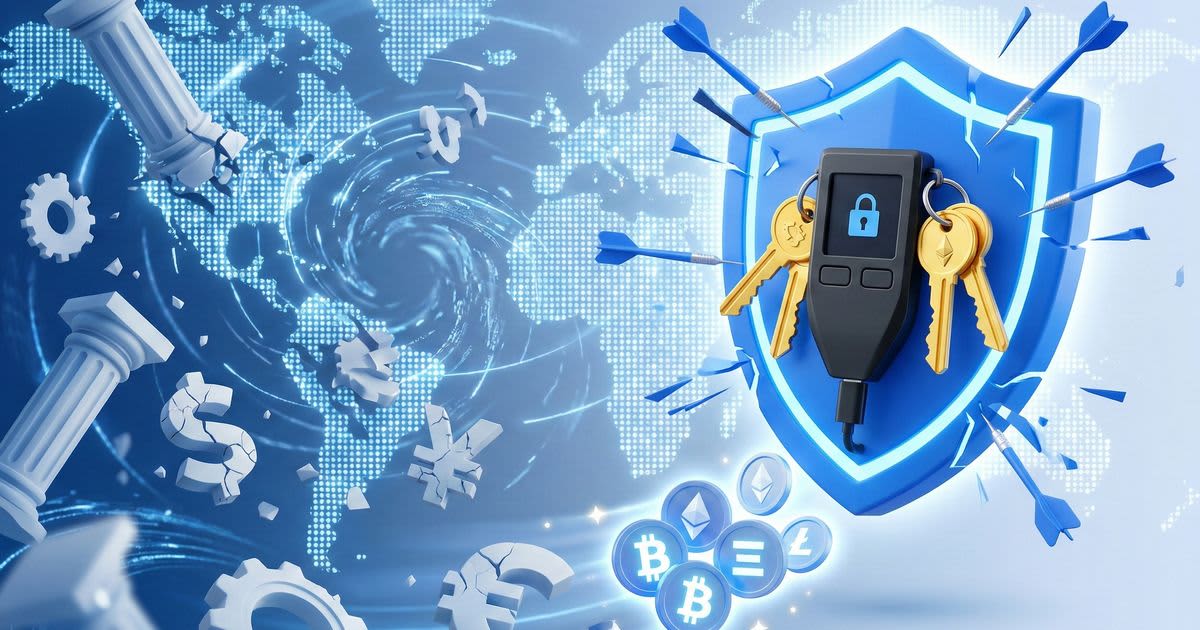
The landscape of 2026 has fundamentally shifted from speculative trading to a survivalist approach toward wealth. While Bitcoin has matured into a mainstream asset class with prices touching new heights, the traditional systems surrounding it have become more restrictive than ever. We are currently witnessing a historic migration of assets from centralized exchanges to hardware wallets. This shift is not merely a trend but a direct response to a world where financial sovereignty is no longer guaranteed by local laws or banking relationships.
The Fragmented Global Financial Reality
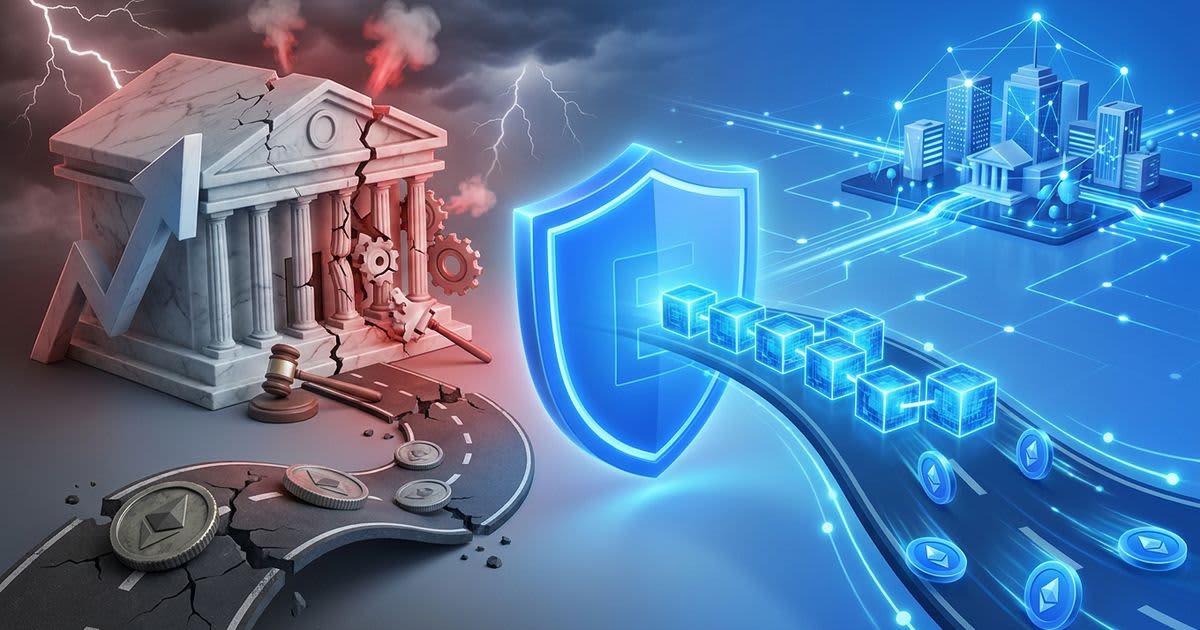
Recent geopolitical events have turned the global financial system into a chessboard of sanctions and freezes. In early 2026, the introduction of the 19th package of international sanctions highlighted how quickly individual access to digital wealth can be severed. When global powers began targeting specific stablecoin issuers and offshore exchanges, users found their funds frozen without prior warning. This environment has taught a hard lesson to the modern HODLer. If your assets are held by a third party, they are subject to the political climate of the jurisdiction where that company is based.
In India, the regulatory pressure has intensified with the Union Budget 2026 maintaining a strict stance. Investors are finding themselves in a complex web of high capital gains taxes and a persistent 1% TDS. For those navigating these waters, the 2026 Indian tax survival guide for hodlers has become an essential manual for remaining compliant while protecting their principal capital. The message from the market is clear: centralized platforms are now required to report every movement with surgical precision.
The Rise of Digital Sovereignty
The psychology of ownership has evolved significantly this year. As digital identity and wealth become indistinguishable, the need for a physical "anchor" has grown. Investors are realizing that the psychology of hodling is tied to the physical hardware that changes your relationship with money. Holding a Ledger or Trezor provides a psychological barrier against the panic of market volatility and the fear of institutional overreach.
This movement is also driven by the arrival of the AI heist era. In 2026, agentic bots have become a primary threat to digital portfolios. These autonomous programs can exploit vulnerabilities in exchange interfaces at speeds human traders cannot match. Moving assets to cold storage is the only definitive way to air-gap wealth from these automated threats.
Why Self-Custody is the 2026 Standard
The shift toward self-custody is supported by several critical factors:
- Sanction Resistance: Hardware wallets allow individuals to maintain control over their assets even when international banking portals are closed.
- Privacy Against CBDCs: As digital currencies like the e-Rupee become mandatory for certain transactions, many are turning to e-rupee vs self-custody strategies to maintain privacy under India's new banking rules.
- Legacy Security: The focus has shifted toward heritage planning to ensure that Bitcoin can be passed to the next generation without needing permission from a bank or an exchange executor.
- Beyond Just Currency: Modern hardware wallets are now being used beyond bitcoin to secure digital identities and encrypted communications.
The Final Takeaway
The events of 2026 have proven that the promise of "not your keys, not your coins" is more relevant today than it was during the Mt. Gox era. As governments move to treat Bitcoin as a strategic reserve asset, individual users must take the same level of precaution. Self-custody is no longer a niche choice for the tech-savvy but a necessary pillar of financial planning in a world where the only constant is geopolitical instability.
Related posts
The $365 trillion debt cliff, gold's new floor and the post-MiCA stablecoin squeeze
3 October 2026 • 4 min read
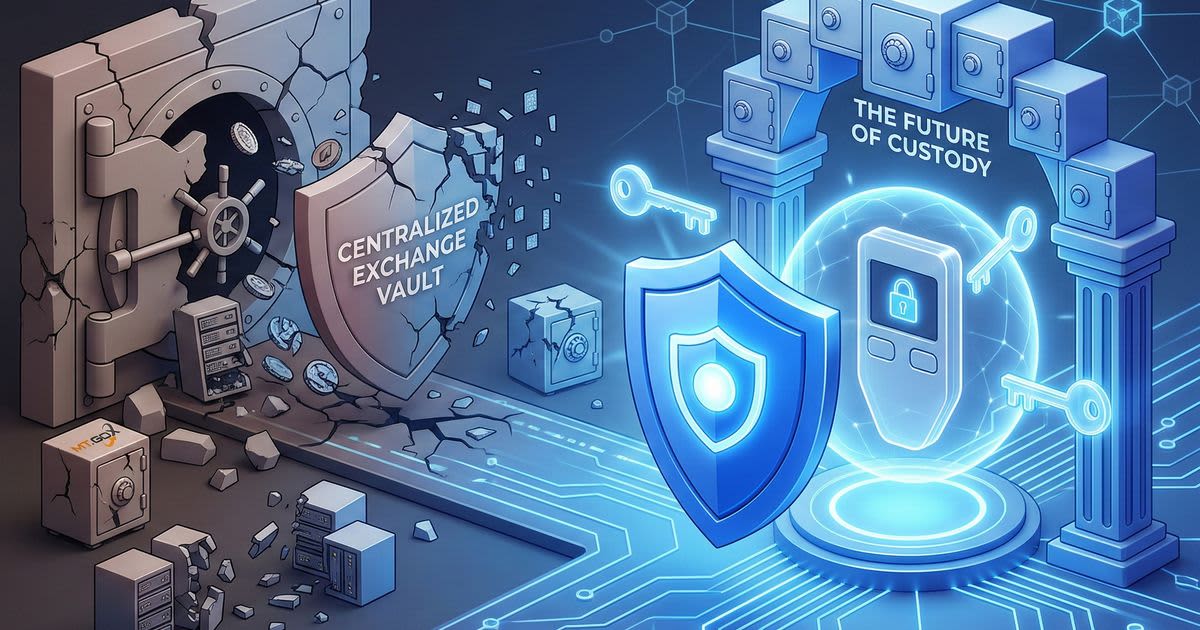
From Mt. Gox to Now: A Visual History of Why Self-Custody Became Non-Negotiable
4 January 2026 • 4 min read
Unexpected central bank rate hikes are accelerating institutional flight to blockchain settlement
17 September 2026 • 3 min read


The zero bond portfolio and the flight to hard assets in a fragmented world
26 April 2026 • 3 min read