What the Axiom insider trading scandal reveals about the dangers of exchange privacy
The high cost of trusting corporate gatekeepers with your digital assets
2 March 2026 • 3 min read
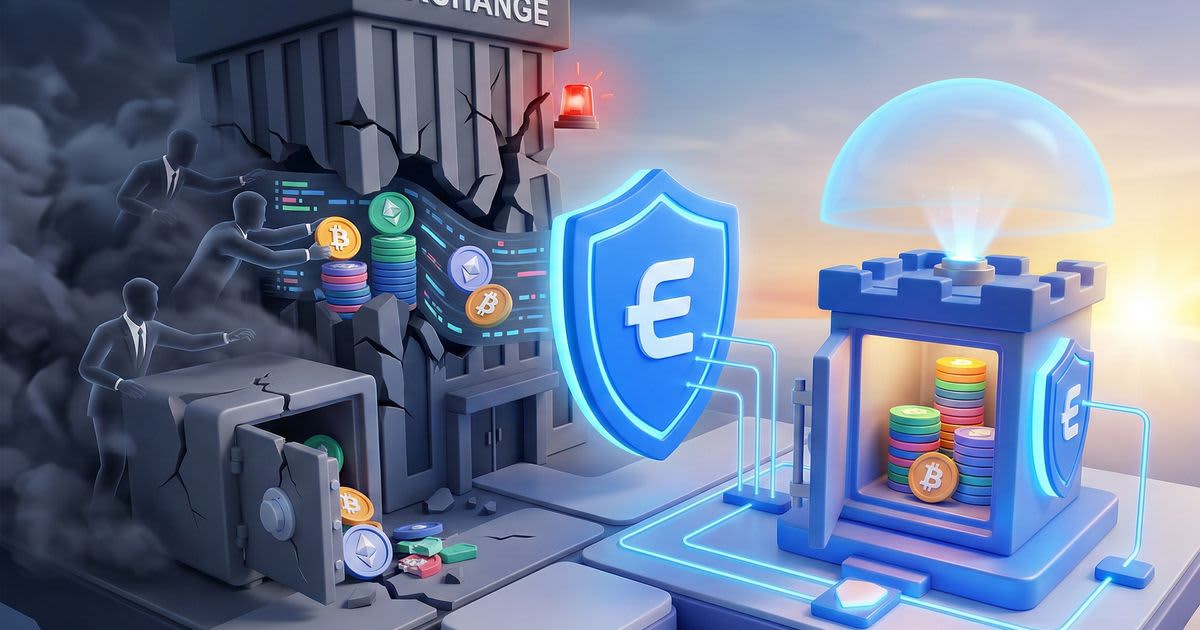
The recent exposure of internal misconduct at Axiom has sent shockwaves through the crypto community. While users believed they were trading on a level playing field, a select group of employees was allegedly using proprietary administrative tools to front-run customer orders. This breach of trust highlights a systemic flaw in centralized platforms where "privacy" usually means the exchange knows everything about you while you know nothing about their internal operations. For retail investors, this is a wake-up call that the only way to ensure true privacy is to remove the middleman entirely.
The illusion of exchange security
Centralized exchanges often market themselves as fortresses of digital security. They promise deep liquidity and robust protection, yet the Axiom incident reminds us that internal human elements remain the weakest link. When employees have access to order flow data before it hits the public ledger, they possess a functional "god mode" over your portfolio. This isn't an isolated phenomenon in crypto history. Looking from Mt. Gox to now, a visual history of why self-custody became non-negotiable shows a recurring pattern of corporate failure and user loss.
The danger of keeping assets on an exchange extends beyond just insider trading. These platforms are massive honey pots for external threats as well. In an environment where digital risks are evolving, the AI-Heist era and why agentic bots are the biggest threat to your 2026 portfolio demonstrates that even the most advanced centralized security can be bypassed by sophisticated automated attacks. When you do not own your private keys, you are effectively a spectator to your own wealth management.
Moving toward radical transparency and self-custody
The shift toward hardware wallets is no longer just for "hardcore" enthusiasts. It is a necessary defensive move for anyone holding a significant balance. By moving your assets to a device like a Ledger or Trezor, you eliminate the risk of an Axiom employee seeing your moves or an exchange freezing your withdrawals during a crisis. This transition also has a profound effect on your investment mindset. Understanding the psychology of HODLing and why physical hardware changes your relationship with money can help you stay disciplined during market turbulence.
Furthermore, as global regulations tighten, maintaining your financial autonomy becomes a matter of privacy. With the rise of central bank digital currencies, learning about e-Rupee vs. self-custody and maintaining privacy under India's new 2026 banking rules is essential for anyone who values a permissionless financial life. Self-custody ensures that your transactions remain your business, not a data point for a corporate or government entity.
The Axiom scandal is a stark reminder that if you don't own your keys, you don't own your coins. Centralized exchanges are convenient for on-ramping, but they are dangerous for long-term storage. To protect yourself from insider trading and corporate malpractice, the only logical step is to move your assets into cold storage where you hold the ultimate authority.
Related posts

The great asset rotation from gold to yield as Washington deregulates digital markets
23 March 2026 • 3 min read

Tokenized gold settlement systems spark regulatory battles as sovereign debt markets fracture
18 August 2026 • 5 min read

Reflecting on our 2025 journey with thirteen thousand crypto enthusiasts
5 January 2026 • 3 min read
India splits its digital economy between wholesale sovereign chains and retail stablecoins
11 March 2026 • 3 min read

Gold's march to $6,000 and the SEC's quiet crypto takeover signal a new macro reality
1 October 2026 • 3 min read

Global capital flight accelerates as governments mandate programmable digital currencies
19 September 2026 • 4 min read