What the global stablecoin crackdown means for your self custody privacy
Navigating MiCA, the GENIUS Act, and the end of under-the-radar USDT holdings in 2026
2 March 2026 • 4 min read
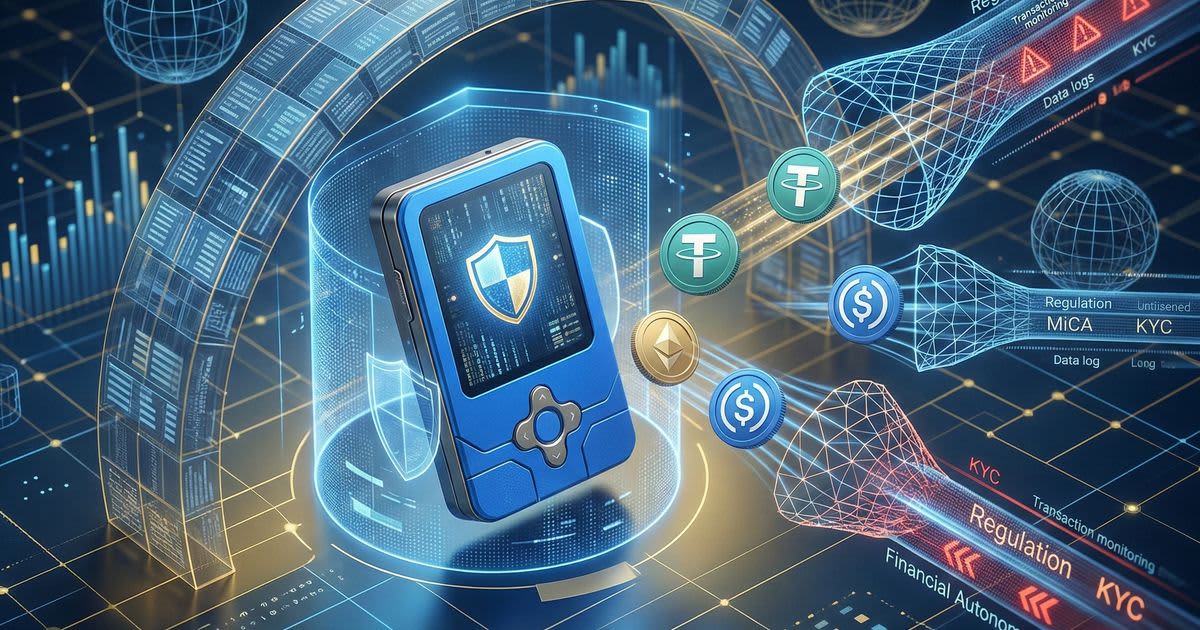
The era of "invisible" digital dollars is officially over. By March 2026, the regulatory landscape has shifted from vague warnings to hard-coded enforcement. With the European Union's MiCA fully operational and the United States implementing the GENIUS Act, stablecoins like USDT and USDC are now treated with the same level of scrutiny as traditional bank deposits. For the average Indian crypto holder, this isn't just a headline from a distant market. It is a fundamental change in how you interact with your wealth.
The end of the gray market
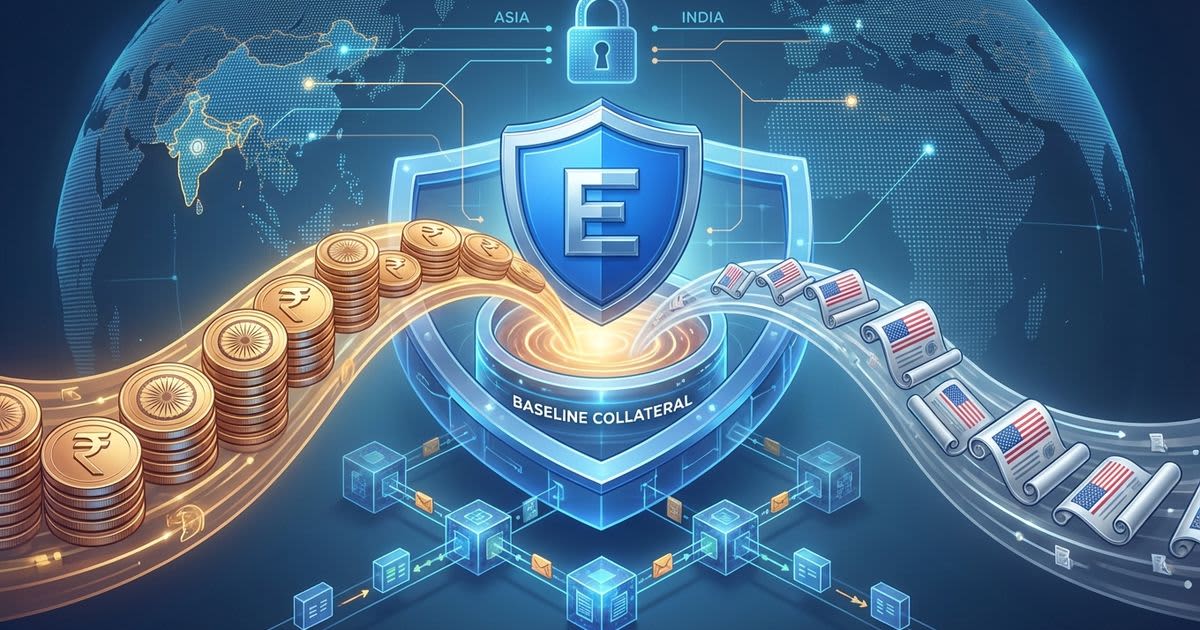
For years, many treated stablecoins as a neutral zone. You could sit in USDT to avoid volatility without necessarily triggering the heavy-duty reporting requirements of a bank. That door is closing. The Eurosystem now accepts DLT-based assets as collateral, which sounds like a win for adoption, but it comes with a massive catch: transparency.
New DAC8 rules mean that tax authorities are sharing data across borders with unprecedented efficiency. This global data exchange makes the new EU DACA rules and why Indian crypto holders need to review their self custody setup a critical read for anyone still keeping significant assets on centralized exchanges. If your stablecoins are sitting on a platform, they are already part of a global ledger accessible to regulators.
Why exchanges are no longer safe havens
If you need a reminder of why leaving your assets on an exchange is a privacy nightmare, look at what the Axiom insider trading scandal reveals about the dangers of exchange privacy. When you use a centralized entity, you aren't just trusting them with your keys. You are trusting them with your entire financial history, which they are now legally obligated to hand over to authorities under the new 2026 compliance standards.
In India, this pressure is doubled. While we've seen a Budget 2026 push for lower TDS, the trade-off is total visibility. The government is willing to lower the friction of trading, provided every movement is tracked.
Self custody as a privacy bridge
This is where your hardware wallet stops being a "gadget" and starts being a necessity. When you move your stablecoins to a device like the Trezor Safe 5 or a Ledger Nano S Plus, you break the direct link of constant surveillance. While the entry and exit points (on-ramps and off-ramps) remain regulated, what you do in between stays under your control.
Maintaining a self-custody bridge is the only way to retain a level of financial autonomy. It allows you to choose when and how you interact with the regulated banking system, rather than being a passive participant in a 24/7 surveillance loop. As we see in the debate between e-Rupee vs. Self-Custody, the choice is between a government-controlled ledger and a personal one.
Protecting your stack in a regulated world
As stablecoins become "official" financial instruments, the stakes for securing them have never been higher. A simple software glitch or a compromised exchange account could lead to a permanent loss of access. Using a Keystone 3 Pro with its biometric authentication ensures that even in a world of high-tech surveillance, your physical access remains yours alone.
Don't forget the physical side of this security. As the value of these "digital dollars" increases, so does the risk of physical discovery. Stamping your recovery phrase into an Etherbit Plate X ensures that your backup survives fire, flood, or time, long after the latest regulatory act has been updated.
The transition to a fully regulated ecosystem doesn't mean you have to give up your privacy. It just means you have to be more intentional about how you hold your assets. Hardware wallets are no longer just for Bitcoin maximalists. They are the essential toolkit for anyone who wants to hold stablecoins without being tethered to a global surveillance net.
Related posts



Global reserve shift drives gold to new highs while citizens reject programmable fiat
24 July 2026 • 4 min read