Institutional tokenization and the fatal flaw of delegated digital custody
Global markets are moving real world assets on chain but trusting a centralized custodian with your digitized portfolio is a catastrophic macro risk.
5 March 2026 • 4 min read

Wall Street and Dalal Street are selling you a beautifully packaged lie about the future of property. Right now, the financial establishment is aggressively tokenizing everything from blue-chip equities to physical gold. They pitch this transition as the ultimate democratization of finance. They want you to trade fractionally, settle instantly, and hold your digitized portfolio on their proprietary platforms. But beneath the slick user interfaces of these institutional custodians lies a legal trap. When you leave a tokenized real-world asset on a centralized platform, you do not actually own it. You are simply an unsecured creditor hoping the firm stays solvent.
The bankruptcy estate does not care about your portfolio
Capital markets are undergoing a fundamental rewiring in 2026. Institutional money is flooding into real-world assets on public and private blockchains. Heavyweights like BlackRock and a host of global banks have already moved billions in treasuries, corporate debt, and commodities on-chain. Indian retail investors are now the prime target for this infrastructure. Marketing campaigns promise the security of traditional finance combined with the efficiency of crypto.
However, the underlying legal reality of digital custody remains brutally unresolved. When a traditional brokerage fails, client assets are typically ring-fenced. Tokenized assets exist in a legally ambiguous gray area. Indian insolvency frameworks are evolving to recognize digital assets as property during corporate liquidations. This sounds like a victory for investors until you read the fine print. If a centralized platform holds the private keys to your tokenized equity or digital gold, the law often views the platform as the owner. Your portfolio becomes part of the general bankruptcy estate. When the firm collapses under the weight of a macro shock or internal fraud, you will stand in line with every other corporate creditor to beg for pennies on the dollar.
Bearer instruments demand physical control
Traditional investors are entirely conditioned to trust third parties. You leave your shares at the depository and your cash at the bank. Tokenization changes the physics of ownership. A tokenized stock or commodity is a digital bearer instrument. Whoever holds the cryptographic key controls the asset absolutely.
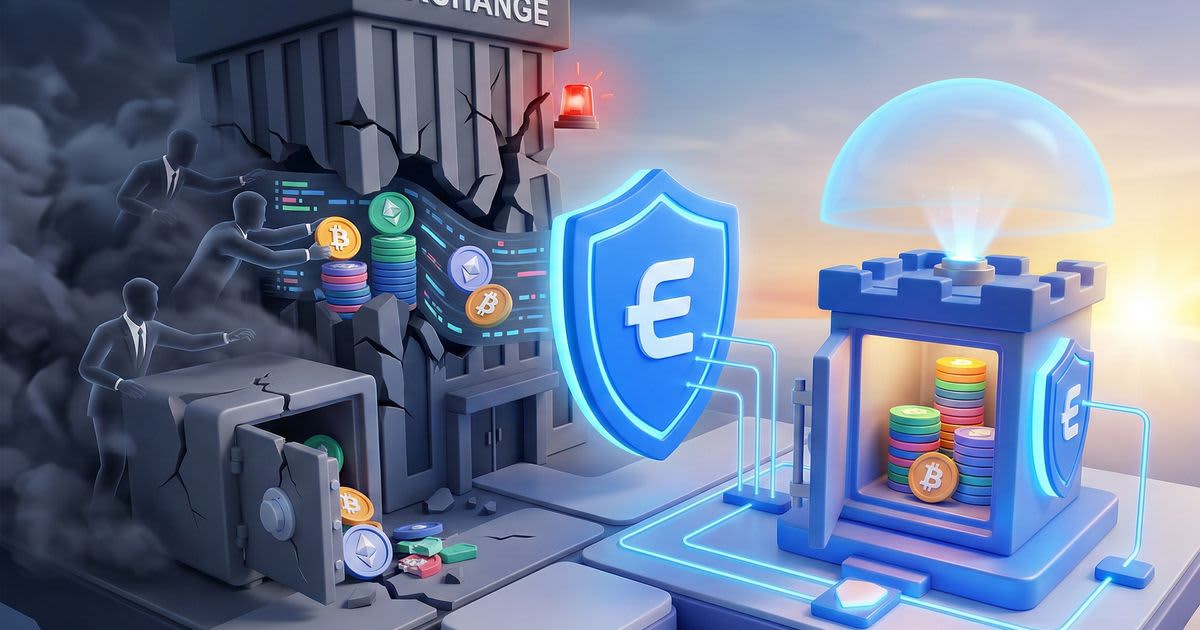
Institutions know this perfectly well. They build elaborate cold storage architectures to protect their own treasuries. Yet they offer retail investors a simplified web login, keeping the actual cryptographic keys pooled in corporate wallets. This delegated custody model introduces massive systemic risk. If an exchange gets hacked, faces a regulatory freeze, or suffers a liquidity crisis, your access is instantly revoked. The blockchain will faithfully record that your wealth belongs to the custodian right up until the moment it is drained to pay off their institutional debts.
Hardware as the final frontier of property rights
The narrative that self-custody is only for hardcore Bitcoin maximalists is dead. In a tokenized global economy, physical control of your private keys is the absolute foundation of property rights. A hardware wallet is no longer a niche crypto accessory. It is mandatory security infrastructure for anyone holding digitized financial instruments.
When you withdraw a tokenized asset from a centralized provider to a device you physically control, you execute a legal and cryptographic transfer of property. You remove the counterparty risk entirely. The asset is taken off the institution's balance sheet and placed directly into your sovereign possession. If the custodian files for bankruptcy the next morning, your portfolio is entirely unaffected. You hold the keys. You hold the wealth.
Global macro volatility is forcing a divergence between those who own their assets and those who merely rent database entries. The tokenization of equities, metals, and debt is accelerating rapidly. Delegating the custody of these assets to a centralized platform is a catastrophic misallocation of trust. You either secure your digital property yourself, or you wait for a bankruptcy judge to decide what you are owed.
Related posts


The Ultimate Lockdown: Setting Up Your Hardware Wallet as a FIDO2 Security Key
6 January 2026 • 4 min read
What the Axiom insider trading scandal reveals about the dangers of exchange privacy
2 March 2026 • 3 min read

The silent wealth transfer from AI equities to sovereign gold and shadow networks
31 May 2026 • 4 min read


Capital flight accelerates into gold and privacy networks as sovereign digital identity laws mature
3 June 2026 • 4 min read