The Psychology of HODLing: Why Physical Hardware Changes Your Relationship with Money
From Pixels to Possession: How Cold Storage Rewires Your Financial Mindset
1 March 2026 • 4 min read
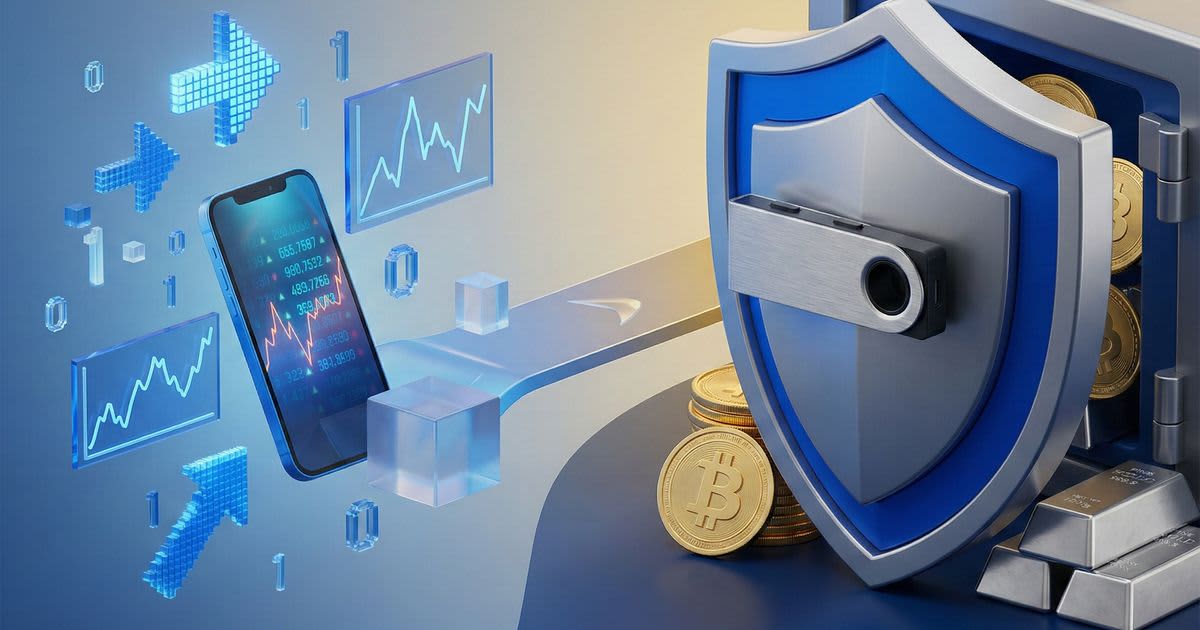
Most of us entered the crypto space through an exchange. We saw numbers go up, numbers go down, and buttons that said "Buy" or "Sell." In that environment, money feels like a video game high score: ephemeral, volatile, and dangerously easy to click away.
But something happens the moment you transfer those numbers onto a hardware wallet. The abstract becomes concrete. By moving your private keys into the physical world, you aren't just improving your security; you are fundamentally altering your psychological connection to wealth.
The Endowment Effect: Why Physicality Breeds Conviction
In psychology, the endowment effect suggests that people value things more just because they own them. When your assets live on an exchange, you don't truly own them; you own a claim on them. This makes it easier to "panic sell" during a market dip because the loss feels like losing points on a screen.
When you hold a Ledger, Trezor, or BitBox in your hand, that "claim" becomes an "object." This physical weight anchors your conviction. You are no longer just trading symbols; you are guarding a vault. This shift is a primary reason why from Mt. Gox to now: a visual history of why self-custody became non-negotiable remains the most important lesson in the industry. The physical device serves as a constant reminder that you are your own bank.
Friction as a Virtue
In the modern world, we are taught that friction is bad. We want one-tap buys and instant swaps. However, for a HODLer, friction is a superpower.
The process of fetching your device, connecting it, and manually confirming a transaction on a physical screen creates a "mindful pause." This prevents impulsive decisions driven by short-term market noise. While you navigate the 2026 Indian tax survival guide for HODLers, you'll find that the slower, more deliberate nature of hardware wallets helps you maintain a long-term perspective, protecting you from the "day-trader trap."
Expanding the Identity of Your Device
A hardware wallet often starts as a Bitcoin vault, but it quickly evolves into a digital Swiss Army knife. As you become more comfortable with the technology, you begin to see it as a broader tool for sovereignty.
For instance, you might transition into beyond Bitcoin: using your Ledger or Trezor to secure your digital identity and emails. Suddenly, this small piece of plastic and silicon isn't just about money; it's about your entire digital footprint. This further strengthens the psychological bond, as the device becomes a "key" to your life rather than just a "wallet" for your coins.
The Legacy Mindset
Physical objects have a natural association with time. We pass down watches, jewelry, and books. Digital accounts, by contrast, feel temporary.
By using physical hardware, you start thinking about the "infinite game." You begin to ask questions about heritage planning: how to pass your Bitcoin to the next generation. A hardware wallet provides a tangible inheritance that can be placed in a physical safe, making the concept of generational wealth much more visceral and achievable.
Conclusion: The HODLer's Peace of Mind
The shift from "Exchange-Custody" to "Self-Custody" is more than a technical upgrade. It is a mental graduation. By holding your keys physically, you:
- Reduce Anxiety: You no longer worry about exchange hacks or frozen accounts.
- Increase Discipline: The physical barrier prevents emotional over-trading.
- Deepen Value: You treat your assets with the respect that "real" money deserves.
Ultimately, hardware wallets turn "HODLing" from a stressful act of willpower into a calm state of ownership.
Ready to change your relationship with your wealth? Explore our range of hardware wallets at Etherbit.in and take the first step toward true financial sovereignty.
Related posts
The July 2026 liquidity shock (trading Europe's crypto purge and the Hormuz ceasefire)
3 July 2026 • 4 min read
Global central banks abandon US treasuries for a hybrid gold and Bitcoin standard
19 August 2026 • 4 min read

Tokenized gold and the impending digital euro trigger a historic flight to on-chain scarcity
27 July 2026 • 3 min read
e-Rupee vs. Self-Custody: Maintaining Privacy Under India's New 2026 Banking Rules
25 January 2026 • 4 min read

The great sovereign wealth rotation from fiat to hard assets accelerates in Q2
22 April 2026 • 3 min read