The rise of deepfake phishing and why physical hardware is your best defense
Voice cloning and AI impersonation are bypassing traditional security measures, making the physical button on a cold wallet a necessary safeguard.
2 March 2026 • 4 min read
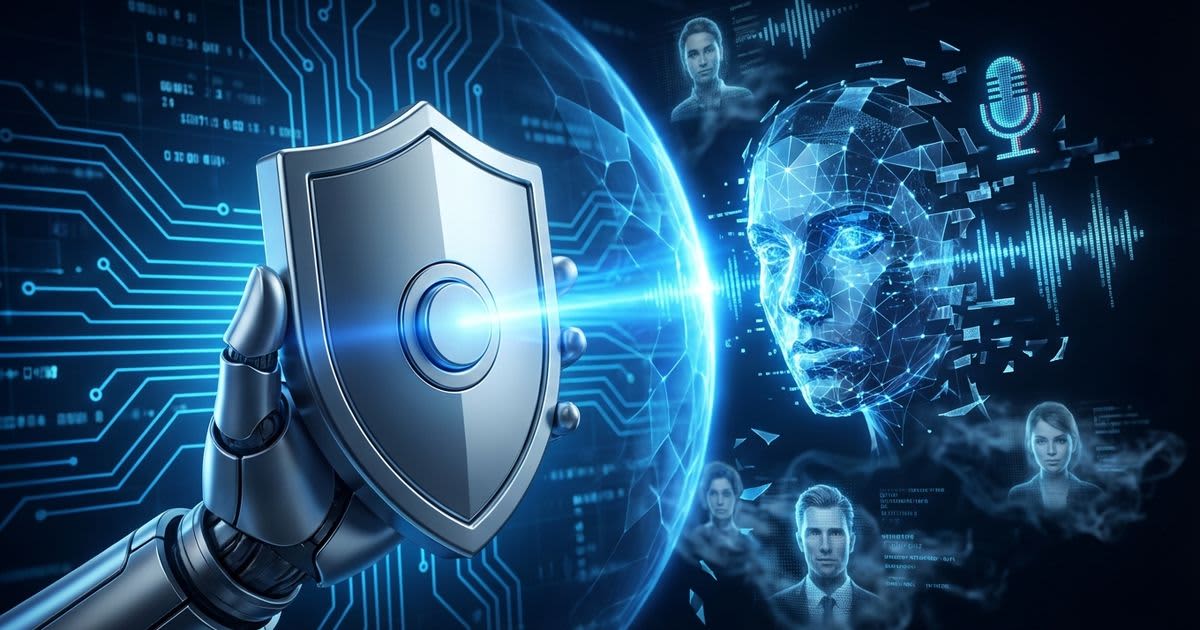
Your phone rings. The caller ID shows your crypto exchange's official support number. The voice on the other end is calm, professional, and warns you about a suspicious withdrawal attempt. They ask you to verify a one-time passcode to freeze the transaction. You read it out. A few minutes later, your funds are gone. Generative AI tools have made voice cloning incredibly cheap and accessible. Three seconds of audio scraped from a social media clip is all an attacker needs to perfectly replicate a voice.
Indian crypto holders are currently facing a steady increase in these personalized social engineering campaigns. Scammers are impersonating trusted friends, business partners, or exchange staff with flawless audio generation. We spent years moving away from SMS verification to authenticator apps. But six-digit digital codes share a fatal flaw. They rely entirely on human judgment. If an attacker creates enough urgency and sounds exactly like someone you trust, you might just hand the code over.
The hard barrier of physical touch
Software security assumes the person entering the code is the legitimate owner. It cannot tell the difference between you acting on your own free will and you acting under the manipulation of a deepfake caller. This is where physical hardware creates an insurmountable wall. You cannot socially engineer a piece of silicon.
When your funds are secured by hardware wallets, the remote attacker is powerless. A hacker operating from another country cannot reach through your screen to approve a transaction. Devices like the Trezor Safe 5 or the Ledger Nano S Plus keep your private keys isolated offline. Any outgoing transfer requires you to look at the physical screen on the device, verify the destination address, and physically press a button to sign the transaction. The most sophisticated AI voice clone in the world cannot bypass that physical requirement.
This concept extends beyond just signing crypto transactions. Your email, exchange accounts, and password managers are all vulnerable to phishing if you only use digital codes. Upgrading to physical security keys changes the game entirely. Registering a Yubico YubiKey 5C NFC to your critical accounts means that authentication requires a physical tap. If a scammer tricks you into visiting a spoofed login page while on the phone, the security key will recognize the mismatched domain and refuse to provide the cryptographic signature. It protects you even when your own judgment fails.
Rethinking your defense strategy
The current wave of AI scams targets our natural instinct to trust familiar voices. As attackers scale these operations, maintaining a secure self-custody setup is no longer just about avoiding bad links. It requires building friction into your security model. Using air-gapped devices like the Keystone 3 Pro or the SafePal S1 forces a deliberate gap between your connected smartphone and your actual wealth.
This friction is a feature, not a bug. Slowing down the transaction process neutralizes the false urgency that scammers rely on. In fact, this hard barrier is a major reason why physical hardware changes your relationship with money. When you have to retrieve a cold wallet, plug it in, and push a button, you break the spell of a panicked phone call. You give yourself time to think.
Digital spoofing will only become more convincing as the technology matures. Defending against it means accepting that your eyes and ears can be tricked. When securing your digital wealth as the 20 millionth Bitcoin is mined, relying on physical verification ensures that no matter who is on the other end of the line, your assets remain firmly under your control. Moving your private keys to a hardware device and etching your backup phrase onto an Etherbit Plate guarantees that your security relies on unbreakable cryptography and physical reality, rather than the fragile trust of a phone call.
Related posts
Global energy demands force a brutal reckoning between tech equities and heavy metals
14 May 2026 • 4 min read
The global compute squeeze forces lawmakers to ration energy as copper and uranium soar
6 May 2026 • 4 min read

Sovereign debt walls push institutional capital into physical gold and privacy networks
21 April 2026 • 4 min read
Central banks hoard physical gold as sovereign blockchains fracture global trade
5 September 2026 • 4 min read