Signal now blocks screenshots by default so AI agents cannot read your chats
Signal says the new protection is "incomplete", and Reuters tests this week showed a third-party AI agent reading Signal messages on two of three platforms.
22 November 2026 • 7 min read
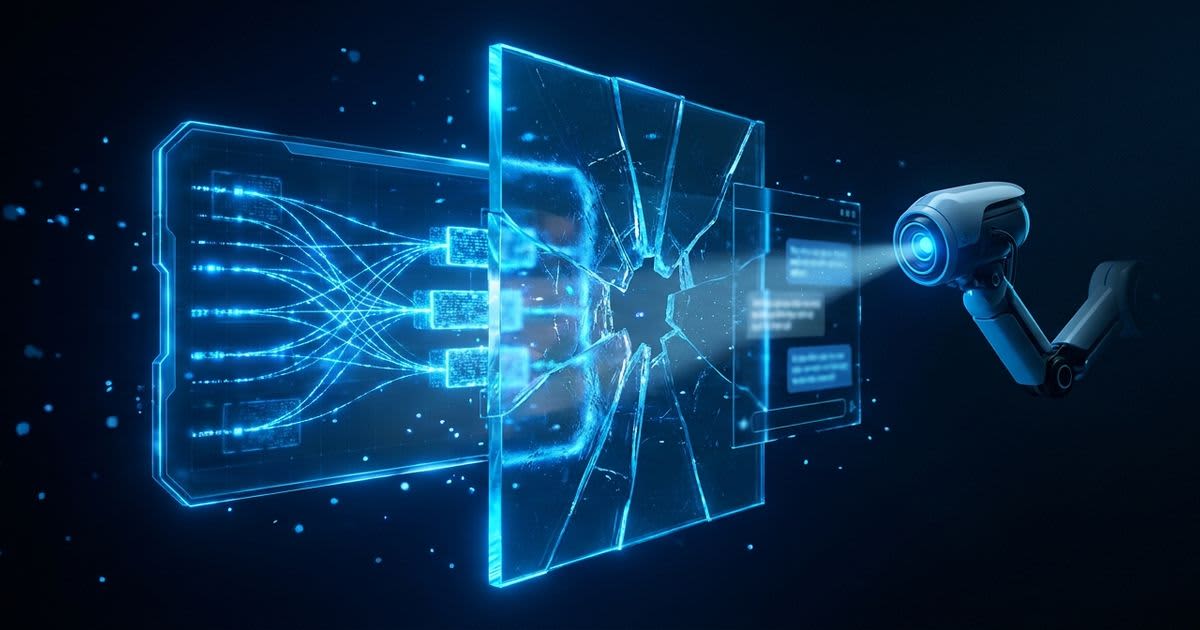
Signal's encryption was never broken in the Reuters test. Meta's Muse agent read the messages anyway. On an Android phone, according to the Reuters investigation published on 18 November, Muse pulled Signal message text using notification permissions granted during setup, without going through Meta's own tool for linking apps. On a Mac, it used accessibility and screenshot tools that Apple provides to help people with disabilities operate computers. On an iPhone, the same requests were blocked.
So the agent got through on two of the three platforms. On both, Signal had already decrypted the messages and displayed them to the user, which is the point where encryption stops applying, and the agent read what the operating system let it read.
Signal responded on Friday by changing its defaults: it will restrict screenshots by default to stop artificial intelligence (AI) agents from reading private chats on Android and iOS devices, though it conceded that the protection is "incomplete." That admission is the most useful part of the announcement. Signal is telling its users that an app cannot fully protect them while the operating system underneath it hands screen contents, notifications and files to AI software.
What the new default does
The change differs by platform. According to Engadget, on iPhone, a new "Block Siri AI" setting is on by default. On Android, Signal uses its existing "Screen security" option. The Next Web reported that the iOS setting's description says it stops Siri AI from scanning Signal content and also blocks screenshots in the app and the App Switcher, and that on Android, Signal turns on its Screen security setting when an assistant tries to capture the screen.
Signal president Meredith Whittaker set out the reasoning in a blog post. She wrote that by giving AI agents the ability to "scan" what is on users' screens, Windows, Android, and macOS/iOS "are undermining Signal's ability to independently guarantee privacy." She also called it an existential threat to Signal and to its ability to responsibly uphold its mission.
Signal singled out the assistants built into the operating systems, Apple's Siri AI and Google's Gemini Intelligence, because of how deeply they are integrated into people's devices. It has done this before: last year, Signal blocked Microsoft's Recall AI from taking screenshots on Windows.
Users can turn the protection off. Signal says doing so "will potentially expose your (and your contacts') Signal content to these AI agents, and break our privacy guarantees".
The routes the block does not close
Blocking screenshots would not have stopped either of the two successful Reuters tests.
The Android route used notification access, and Engadget notes that the new default won't prevent third-party agents from reading notifications or digging through files. The Mac route used accessibility and screen capture, and on the Mac, Signal offers no user protections at all. Signal says operating system makers provide no way for developers to restrict AI access "without making drastic compromises to the core user experience." Apple has started to address the Mac gap since the test, though Apple did that, not Signal. The changes debuted in macOS 27.3 beta 2 on November 16, a developer beta that splits the existing Device Control and Data Access setting into System & App Protection Override and Accessibility. Apple has not confirmed when it reaches everyone.
Whittaker named a further gap herself. The block "does not address other more sneaky ways AI agents could potentially access application data, such as retrieving content already present on a user's device via the file system." She also said accessibility settings meant for people should not serve as "a skeleton key that provides access to AI agents."
A conversation also has two ends. If the other person has switched protections off, blocking screenshots on your end won't stop an AI assistant or agent from reading your messages on their device.
Signal's fix stops one channel, screen capture, on two mobile platforms. Notifications, accessibility services, stored files and the Mac all depend on what Apple, Google and Microsoft decide to expose, which is why Signal is pushing those three companies to publish system-level controls that let apps opt out of AI access. Whether WhatsApp, Telegram or iMessage will adopt similar defaults has not been reported.
Keep the scale in proportion. The Reuters result came from a controlled test run with people from Signal and the AI Now Institute after reviewing internal Meta reports about unexpected behaviour by Muse. It was not a mass breach. Meta spokesperson Daniel Roberts called the cases "isolated incidents," said many of the flagged messages were hallucinations that have been addressed, and stressed that Muse can only reach other apps through permissions users explicitly grant. Still, Reuters said the agent had passed 10 million downloads.
What to change on your own devices
The Reuters finding applies to more than Signal. Reuters itself could not determine whether the financial details Muse surfaced were real information belonging to someone else or invented output from the AI.
Start with notification access. On Android, check which apps hold it, and remove any AI assistant that does not need it. Inside Signal, set notifications to show the sender's name only, or nothing. Cryptika points out that hiding previews limits what Signal puts in a notification, while revoking notification access stops Muse reading notifications.
On a Mac, open Privacy & Security and look at the Accessibility and screen recording lists. Apple's tighter permissions are so far only in a macOS developer beta, so there is no public update that contains them yet. If you use Signal on a Mac, assume anything on screen can be read by any agent you have granted those rights to.
Leaving Signal off an agent's list of connected apps was no safeguard in the tests. Cryptika reports that neither test needed Signal to be added through Meta's Connector. The permissions you granted during setup are the ones that count.
Leave Signal's new default switched on, and ask the people you message most to do the same. Seed phrases and recovery codes deserve the treatment Signal now gives chats: keep them off any screen an AI agent is allowed to watch.
Sources
- Engadget: Signal now blocks screenshots by default to stymie AI agents
- The Hacker News: Signal Blocks AI Agents From Reading Private Chats via Screenshots on Android and iOS
- TechCrunch: Signal restricts mobile screenshots as it confronts 'existential threat' of AI surveillance
- The Next Web: Signal blocks Siri AI and Gemini from reading chats on iPhone and Android
- Cybernews: Signal blocks screenshots to stop AI agents reading chats
- IBTimes Australia: Signal Blocks Screenshots by Default to Stop Siri and Gemini AI Agents
- Gagadget: Signal blocks screenshots to keep AI assistants out of your chats
- Dataconomy: Meta's Muse AI Agent Accessed Encrypted Messages, Reuters Finds
- Business Upturn: Meta's Muse read Signal messages through device permissions in Reuters tests
- allaboutcookies.org: Meta's Muse AI Can Read Your Encrypted Signal Messages, Tests Show
- The Neuron: Meta Muse AI Agent Privacy
- DEV Community: Meta's Muse mixed up conversations
- Cryptika: Meta AI Agent Muse Reads Encrypted Messages Through Android Notifications and Mac Permissions
Related posts

A 9.6 trillion liquidity trap and the crypto legislation threatening to fracture global markets
2 September 2026 • 3 min read



Market fallout from the September convergence of European cyber laws and US crypto legislation
23 September 2026 • 4 min read