The AI-Heist Era: Why Agentic Bots are the Biggest Threat to Your 2026 Portfolio
The New Frontier of Digital Theft
8 February 2026 • 4 min read
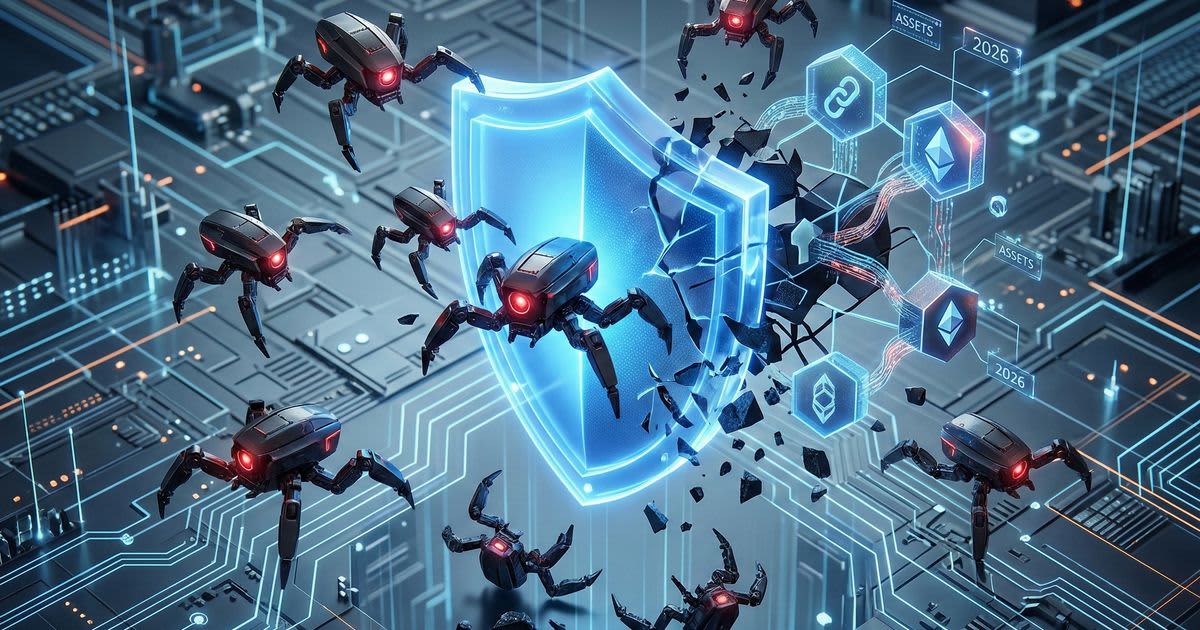
We have officially entered the era of Agentic AI. Unlike the simple phishing scripts of the past, today's "Agentic Bots" are goal-oriented autonomous entities. They don't just follow a list of instructions; they observe your digital footprint, mimic your behavior, and execute complex series of actions across multiple platforms to bypass traditional security.
For crypto investors, this is the most significant shift in the threat landscape since the invention of the hot wallet. If your private keys or session tokens are accessible to an internet-connected operating system, they are now within reach of an AI that can solve captchas, bypass SMS 2FA, and social-engineer customer support in real-time.
Why 2026 is Different
The speed of AI evolution has rendered "standard" security obsolete. Here is why your 2026 portfolio is in the crosshairs:
- Autonomous Social Engineering: AI bots can now generate deepfake voice notes or video calls to convince family members or even exchange employees to reset your credentials.
- Session Hijacking: Bots are increasingly adept at stealing browser cookies. Even if you have a strong password, a bot can "clone" your active login session and drain your funds before the session expires.
- Rapid-Fire Exploitation: Once a vulnerability is found in a smart contract or a browser extension, these bots execute trades and withdrawals in milliseconds, far faster than any human can react.
This new reality makes from Mt. Gox to now: a visual history of why self-custody became non-negotiable more relevant than ever. History shows that third parties are honey pots, but AI has turned those honey pots into automated dispensaries for hackers.
Physical Isolation: Your Only Real Defense
To survive the AI-Heist era, you must remove the "agent" from the equation. If a bot cannot touch your keys, it cannot move your money. This is where the hardware layer becomes your digital fortress.
1. Hardened Identity
Your email is the "Master Key" to your financial life. If an AI bot compromises your Gmail, it can reset passwords for every exchange you use. You should be using your Ledger or Trezor to secure your digital identity and emails via FIDO2 or U2F. By requiring a physical button press to log in, you stop an AI bot halfway across the world dead in its tracks.
2. Eliminating Software Vulnerabilities
Software wallets are prone to "clipboard hijacking" and memory injection by AI malware. Moving to cold storage isn't just about safety; it's about mindset. Understanding the psychology of HODLing and why physical hardware changes your relationship with money helps you realize that true ownership requires physical boundaries that code cannot cross.
3. FIDO2 is the Standard
For those using exchanges like Binance, SMS and App-based 2FA are no longer sufficient against sophisticated bots. You need to follow the ultimate YubiKey 5 setup guide for Gmail and Binance to ensure that only a physical hardware key can authorize a withdrawal.
Conclusion: Adapting to the New Normal
The 2026 landscape is fast-paced and unforgiving. Between navigating the 2026 Indian tax survival guide for HODLers and dodging autonomous AI bots, the modern investor has their work cut out for them.
The takeaway is simple: In an era of autonomous software, your security must be physical. By moving your assets into a hardware wallet and securing your accounts with physical security keys, you take the "intelligence" out of the bot's reach. AI can be incredibly smart, but it cannot reach out and press a button on a device sitting on your desk.
Key Take-Aways:
- Agentic Bots are autonomous and can adapt to security measures in real-time.
- Software-based 2FA is increasingly vulnerable to sophisticated AI-led session hijacking.
- Hardware Wallets and Security Keys provide a physical air-gap that AI cannot penetrate.
- Self-custody is the only way to ensure your 2026 portfolio survives the AI-Heist era.
Related posts
Rising real yields and strict crypto regulations push investors into tokenized precious metals
6 October 2026 • 3 min read
The Psychology of HODLing: Why Physical Hardware Changes Your Relationship with Money
1 March 2026 • 4 min read

Western markets chase tech yields as the BRICS bloc tokenizes global trade
11 July 2026 • 3 min read

Central banks quietly hoard gold and Bitcoin as sovereign debt markets fracture
18 July 2026 • 3 min read